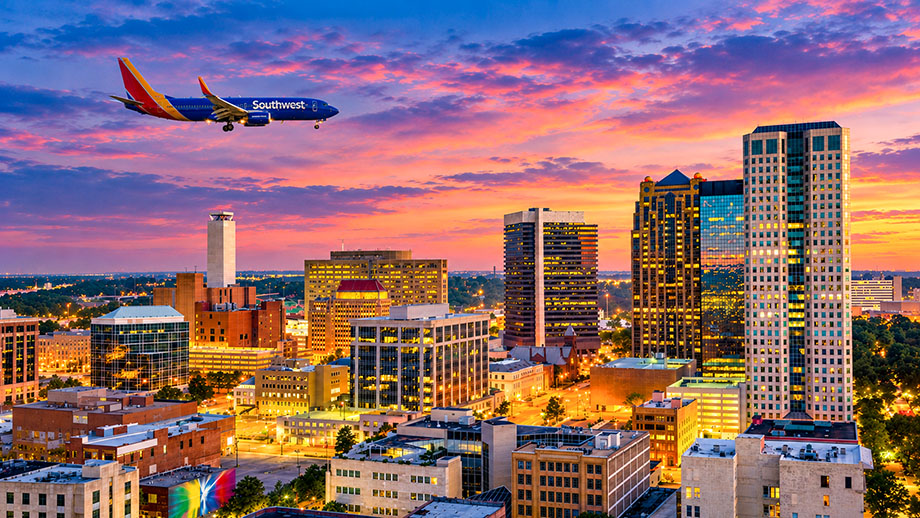
As I pulled up to the terminal at the Birmingham airport early Thursday morning, my eyes scanned for Concourse C. But something in my heart was unexpectedly scanning for something else.
I felt the tug of something from the past. From other trips to this place. From a love that was once powerful and overwhelming, but which has been dead for years.
I had come to the airport Thursday to drop a friend off for a flight to Houston for medical treatment. I used to fly through this building pretty regularly, but I hardly ever have reason to come to the airport anymore. But something about just coming to the terminal awakened memories of coming here to meet a woman who used to come see me.
Which concourse did her flights use?
I couldn’t remember. It didn’t matter, but that bothered me. My heart remembers joyfully embracing her as she arrived and feeling her slip away when she left each time. The memories were vivid this morning, but I stupidly debated whether it was Concourse A or Concourse B where these scenes took place.
It was easier to let my rational mind debate irrelevant details than it was to feel what my heart insisted on feeling.
 Why can we sabotage ourselves?
 In other news, donations keep pouring in to feed the monkeys
 Narcissists teach their victims they aren’t allowed to have needs
 Is ‘galvanic skin response’ a way to measure how much kids learn?
 How can you have convictions while remaining open to truth?
 NYC schools ban ‘birthday,’ ‘crime,’ ‘dinosaur’ and ‘divorce’ from tests
 ‘War is the health of the state’ — but the death of the people who serve it
 Art builds bridges for aliens who crave connection with humans
 Until we experience awakening, we’re blind to truth in our hearts